One Engaged Father, And a Reminder of How Change is Created
The story of Mia Khan is about an engaged father, but also about how sustainable development is created, writes Khalid Fahim, Head of Partnerships.
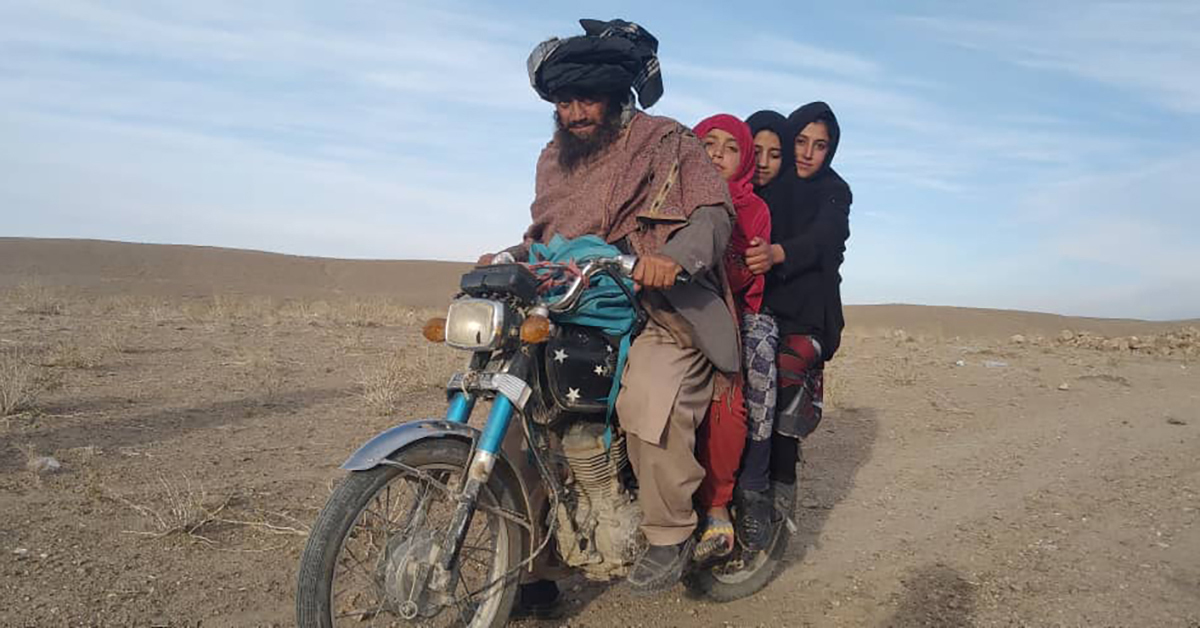
Every morning, Mia Khan, a daily wage worker in Paktika province, rides 12 kilometres to take his three daughters to school. He cannot read or write, but his dream is crystal clear: he wants his daughters to become doctors, the first in their area. After dropping them off at Noorania Girls’ School, established and supported by the Solidarity Committee for Afghanistan in 2006, he waits patiently for hours until they finish.
Mia Khan’s story is more than just a father’s dedication. It is an exemplary reminder that lasting change in Afghanistan does not come from quick fixes, but from sustained, long-term investment in communities.
One of his daughters is now a trained midwife, working in Paktika. She is not only changing her own future but saving the lives of mothers and children, in a country with one of the highest maternal and child mortality rates in the world. According to WHO, one mother and around 167 infants die daily from preventable causes (WHO’s 2024 Emergency Appeal).
Long-term change requires long-term commitment
For over 43 years, the Solidarity Committee for Afghanistan has worked side by side with rural communities to advance health, education, disability rights, and rural development. The Noorania Girls’ School is one of many initiatives that demonstrate how locally anchored, rights-based development creates opportunities in even the most conservative communities. While rural Afghanistan is often labelled as resistant to change, the truth is more nuanced: when development efforts are respectful, inclusive, and consistent, communities evolve in ways that are deep and enduring.
The Noorania Girls’ School was established as a community-based school (CBS), a model that has proven to be highly effective in areas where formal girls’ schools did not exist. CBSs were developed in close collaboration with local communities, ensuring that the design, approach, and implementation were aligned with community needs, values, and social dynamics. This participatory model fostered a sense of ownership, trust, and local legitimacy that more formal schools often lacked. Numerous studies, including by the World Bank and other international education bodies, have demonstrated that CBSs significantly improve enrolment and retention, particularly for girls in remote and conservative regions (World Bank 2018, Girls’ Education Challenge, 2020 USAID 2021).
Quick-impact projects may bring visibility, but they often don’t sustain. SCA’s experience shows that lasting change, like girls completing secondary education, becoming midwives, and inspiring others, comes through patient and long-term engagement. It is this very approach that allowed a father like Mia Khan to dream of a different life for his daughters.
Change comes from within
Too often, development is framed as something that must be brought to communities. Mia Khan’s story reminds us that change thrives when it emerges from within, from the ambitions of young girls, and the courage of families willing to support the ambitions of their children.
His daughter´s achievements are not isolated; She is now a role model in her community, embodying the potential of girls’ education. Her work as a midwife not only transforms her own status but directly contributes to improving public health outcomes for women and children in her province.
Despite the often-gloomy picture portrayed from Afghanistan especially after the Taliban takeover in August 2021, there are hundreds of Mia Khans across the country, fathers and families who dare to dream of a brighter, better future for their daughters and their communities. They must not be left alone. Now, more than ever, is the time to stand by Afghanistan, especially its women and girls, who need support more urgently than at any time in the past.
Broad impact
This is just one example among many that illustrate the impact of Solidarity Committee´s long-term, community-driven development model. From education to health care, from disability inclusion to advocacy, Solidarity Committee has demonstrated time and again that change is possible, but only when rooted in trust, continuity, and local ownership.
Mia Khan’s journey may begin with a motorbike ride through rural Paktika, but it ends with a generational shift. It is proof that investing in people’s capacity to dream, act, and lead their own development is the only true pathway to sustainable change. In a context where hope is often in short supply, the love and perseverance of a father like Mia Khan offers all the evidence we need to believe in a better future for Afghanistan.
Let us honour and invest in these stories, not for their symbolism, but for the real, measurable impact they carry for generations to come.
KHALID FAHIM
Head of Partnerships, Solidarity Commitee for Afghanistan, former Program Manager in Afghanistan