Afghanistan’s Maternal and Child Health at Breaking Point
After years of progress, maternal mortality in Afghanistan is now increasing, despite many deaths being preventable. On the International Day of the Midwife, the Solidarity Committee launches a policy brief on the critical state of Afghanistan’s maternal healthcare and the crucial role of midwives.
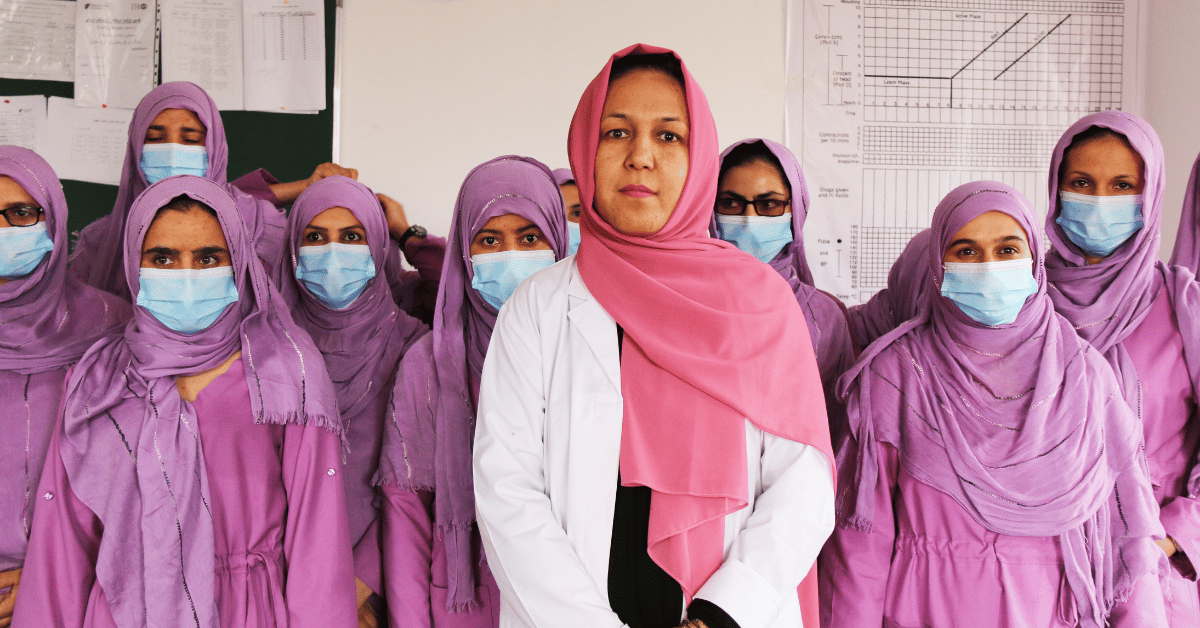
Afghanistan is among the countries with the highest maternal mortality rates in the world. Over the past two decades, significant progress has been made in steadily reducing these rates, although the rates remained high compared to those in other countries. Since the Taliban took power in 2021, this progress has stalled, and there is now evidence that maternal mortality rates are rising again, despite the fact that most maternal and child deaths are due to preventable or treatable causes. At the same time, restrictions on women’s education are limiting opportunities for future female health workers.
The international community has repeatedly declared its commitment to supporting Afghan girls and women. However, international funding to Afghanistan is declining, disproportionately affecting vulnerable groups such as women. Hundreds of health facilities have closed due to reduced donor funding. Afghanistan’s maternal and child healthcare system is now at a critical point, and strengthening support for midwives is crucial to reversing this trend.
The policy brief Afghanistan’s Maternal and Child Health at Breaking Point provides an understanding of the critical role of midwives in reducing mortality. The brief also reviews past gains, assesses current risks, and identifies opportunities, arguing that urgent action is both necessary and feasible to prevent a rise in avoidable deaths among women and children.
Policy recommendations
- Sustain funding for maternal and child healthcare in Afghanistan. Donors should increase support for essential health services to prevent further closures of facilities and improve access to safe deliveries. Private foundations and philanthropists can help offset declining official development assistance by funding high-impact interventions.
- Strengthen frontline health providers. Channel support to organisations with a proven delivery record within maternal and child health, enabling them to scale mid-wife led and community-based services, and to provide training, supervision, and capacity support to frontline health workers.
- Allow women to study and train as health professionals. Afghan authorities should restore women’s access to education and professional health training. In the long term, this is the only viable solution to meeting the workforce needs required for reducing maternal and child mortality.
Read the policy brief
Read the full analysis Afghanistan’s Maternal and Child Health at Breaking Point (pdf):