Left Behind: Afghanistan’s Exclusion from Global Climate Finance
This policy brief from Solidarity Committee examines the implications of Afghanistan’s lack of access to climate finance and recommends measures to ensure climate justice for the Afghan people.
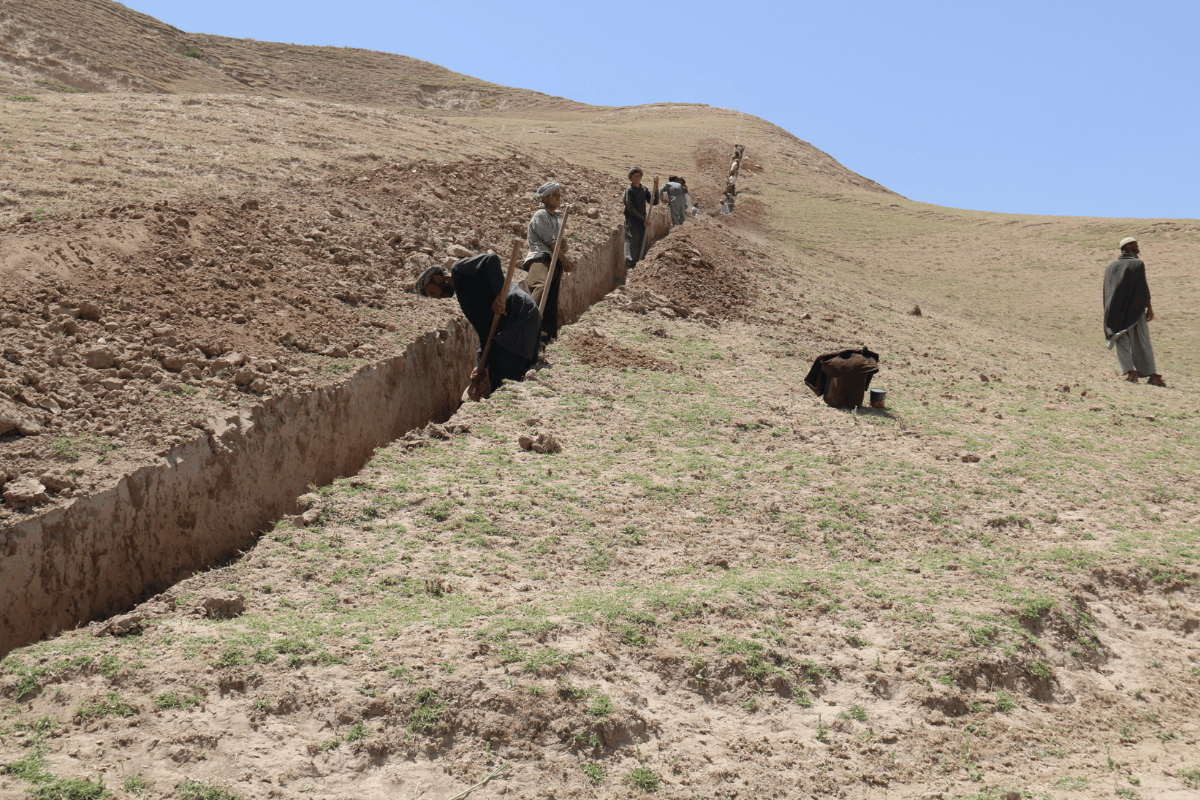
Key recommendations:
- Invest in disaster risk reduction and climate adaptation which reduce damage and human suffering from natural hazards, and is much more cost-efficient than emergency response..
- Ensure that non-governmental actors, UN agencies and other international institutions can access climate finance for investments in Afghanistan, including from the Green Climate Fund, without funding going through the authorities.
- Establish a mechanism for technical-level representation for Afghan authorities at regional and international platforms like COP, as well as representation of Afghan civil society and academia in such fora.
Afghanistan’s per capita carbon footprint is among the lowest in the world but it stands among the countries most vulnerable to climate change. Devastating floods and droughts weaken already fragile livelihoods and food security.
Despite the urgent needs for adaptation measures, Afghanistan is almost entirely excluded from international climate financing mechanisms under the United Nations Framework Convention on Climate Change (UNFCCC) due to the international community’s non-recognition of the Taliban regime.
The rationale for the non-recognition is primarily human rights concerns, particularly the restrictions on women and girls. At the same time, women in Afghanistan are disproportionately affected by climate shocks, due to factors such as their heightened vulnerability during natural disasters, dependence on agriculture and livestock, and responsibility for water management. As a result, they bear the heaviest burden of Afghanistan’s exclusion from climate finance.
This policy brief examines the implications of Afghanistan’s lack of access to climate finance and recommends measures to ensure climate justice for the Afghan people, without legitimising the regime.
Read the policy brief
Read the full policy brief Left Behind: Afghanistan’s Exclusion from Global Climate Finance (pdf):