Policy brief series 2025
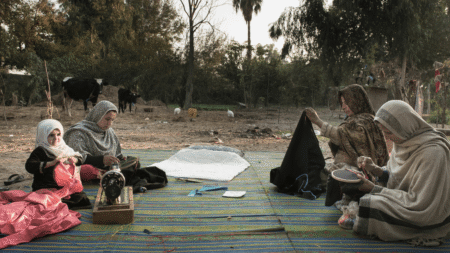
Between Ambition and Reality: Lessons Learned From the Implementation of UNSCR 1325 in Afghanistan
News Twenty-five years after the adoption of resolution 1325, the situation for women in Afghanistan raises questions. How can the sharp decline in women’s rights be explained, and what impact did two decades of efforts for gender equality and peace achieve? Read our policy brief on the lessons learned from implementing UNSCR 1325 in Afghanistan.
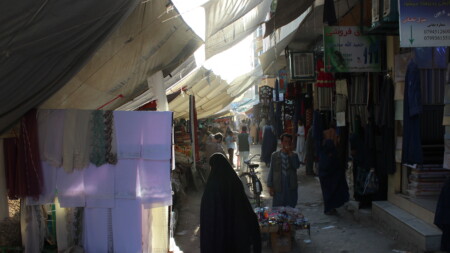
Collateral Damage: The Civilian Toll of Sanctions in Afghanistan
News Sanctions aimed at Afghanistan’s leadership are having unintended consequences for the country’s civilians. This policy brief explores the humanitarian impact of sanctions and outlines strategies to reduce unintended harm.
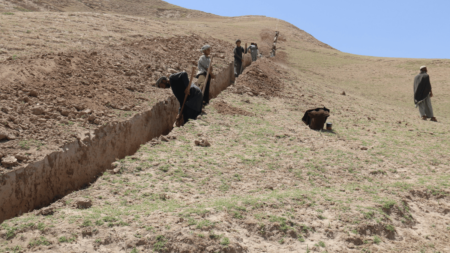
Left Behind: Afghanistan’s Exclusion from Global Climate Finance
Climate This policy brief from Solidarity Committee examines the implications of Afghanistan’s lack of access to climate finance and recommends measures to ensure climate justice for the Afghan people.

Supporting Afghanistan’s Civil Society: Lessons Learned and Policy Pathways
News As global attention shifts away, the Afghan civil society faces new challenges. Years of inconsistent international engagement have left local organisations under strain. To ensure support remains relevant and sustainable, donors must rethink their strategies—and listen to Afghan voices on the ground. This brief offers key recommendations for those shaping aid and policy, and calls for a renewed commitment to support a legitimate, locally driven civil society.