Collateral Damage: The Civilian Toll of Sanctions in Afghanistan
Sanctions aimed at Afghanistan’s leadership are having unintended consequences for the country’s civilians. This policy brief explores the humanitarian impact of sanctions and outlines strategies to reduce unintended harm.
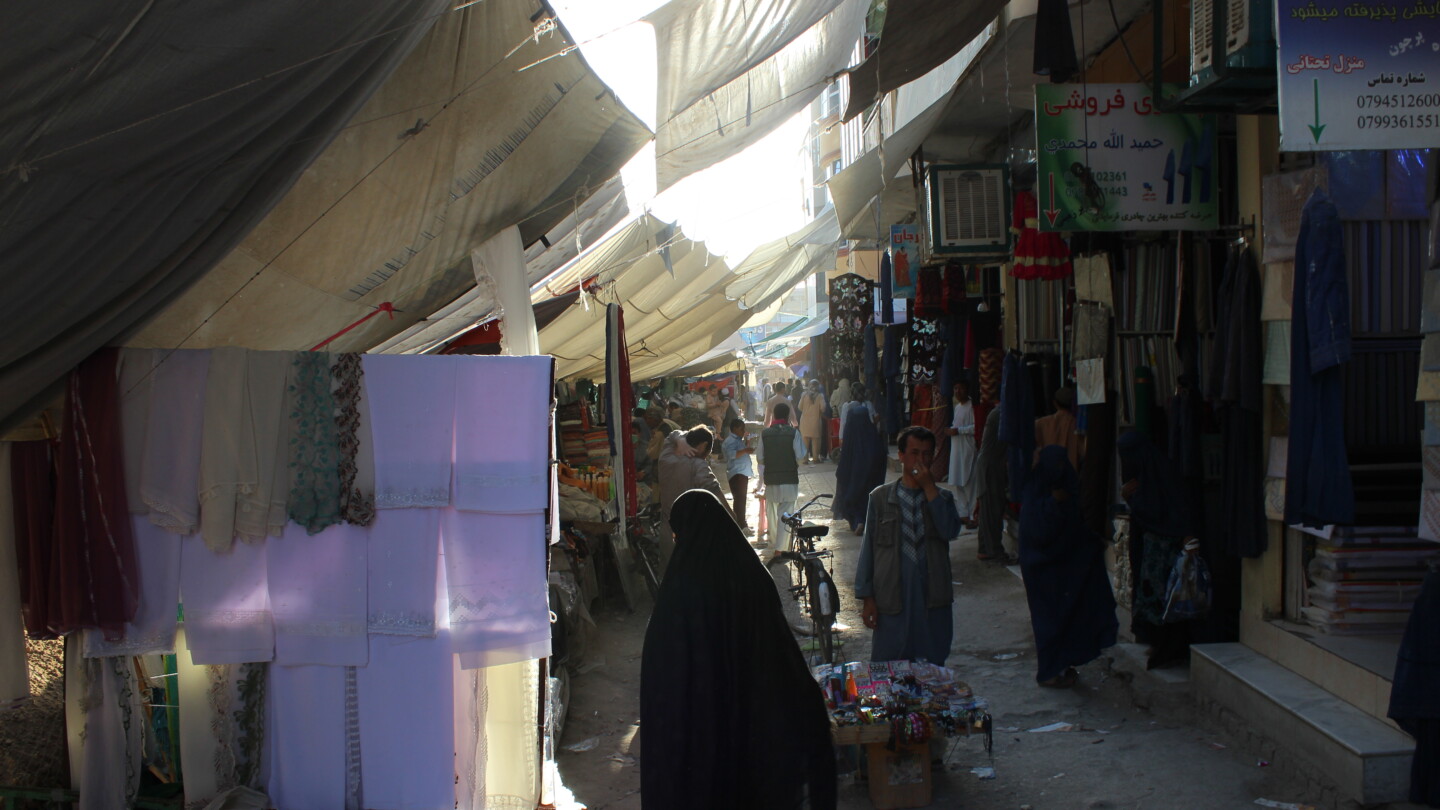
Key recommendations:
- Decision-makers must ensure independent and periodic assessments of the humanitarian and human rights impacts of sanctions, along with clear accountability for both the intended and unintended consequences.
- Decision-makers must take all necessary steps to protect humanitarian exemptions and ensure their effective implementation by establishing clear regulations, legal protections, and banking incentives, and by preventing overcompliance by financial institutions that block legitimate humanitarian and economic transactions.
- Civil society and academic institutions should promote and conduct independent, data-driven research on the humanitarian and economic impact of sanctions. The findings should be used to advocate for sanctions regimes that are accountable, transparent, and aligned with international human rights and humanitarian law.
When the broad application of UN sanctions became possible after the Cold War in the 1990s, they often proved to be a blunt instrument—failing to impact repressive leaders while disproportionately affecting civilian populations, particularly in Iraq under Saddam Hussein. Crippling economies triggered unemployment and undermined livelihoods. Bans on the import of medicaments and health equipment affected curative healthcare, and disrupted food imports led to malnourishment and hunger. To avoid such unintended effects, the UN Security Council introduced standardised resolution language, exempting humanitarian assistance from sanctions.
The Security Council also initiated more profound sanctions reforms through carefully targeted—or “smart”—sanctions directed at the leadership of states violating international law. Measures, such as freezing personal assets and travel bans, aimed to protect the general population from harm. A new era of sanctions was launched, finetuned to the principle of individual—rather than collective—accountability.
However, even the targeted sanctions would have unintended negative humanitarian consequences. Due to the risk of unintentionally violating sanctions through financial transfers to sanctioned countries, banks tended to over-comply by avoiding such transfers altogether—even for legitimate humanitarian purposes. This “chilling effect” of sanctions turned out to be as detrimental to humanitarian operations as the more generalised sanctions.
The development coincided with increasing tensions among major powers, and disagreements over the use of multilateral UN sanctions led individual states to increasingly impose sanctions on their own—particularly the US and regional organisations such as the EU. The US also began using so-called secondary sanctions, targeting states or financial institutions suspected of violating US sanctions. This further increased the banks’ risk aversion, leading them to avoid countries such as Afghanistan, North Korea or Syria altogether—even if humanitarian exemptions to sanctions were in place.
In this policy brief, we explore the effects of sanctions on the civilian population in Afghanistan.
Read the policy brief
Read the full policy brief Collateral Damage: The Civilian Toll of Sanctions in Afghanistan (pdf):