Supporting Change from Within: Rethinking International Engagement with Afghanistan
How can the international community support change in Afghanistan without legitimising oppression? A new policy brief calls for a more pragmatic international engagement in Afghanistan, focusing on locally led change and people’s actual living conditions.
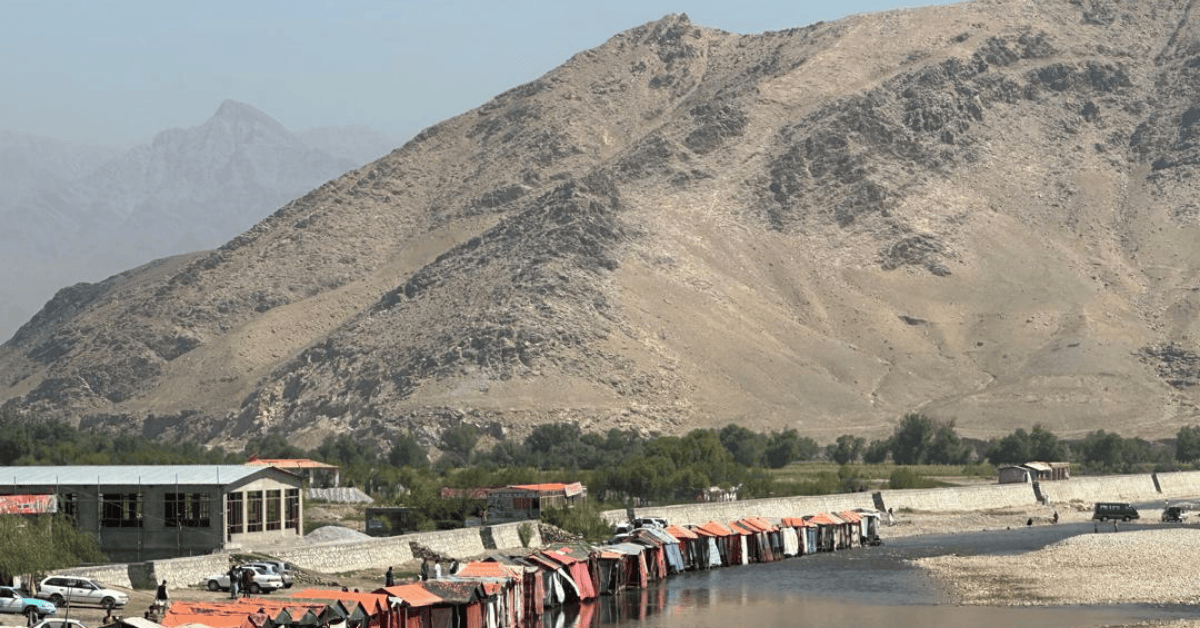
The policy brief Supporting Change from Within: Rethinking International Engagement with Afghanistan highlights the need for a more pragmatic international approach to Afghanistan.
Policy recommendations
- A principled pragmatism approach is necessary to contribute to concrete change in the lives of the Afghan population without legitimising repression. Meaningful change is rarely linear and often emerges gradually. It requires actors to remain patient and move beyond rigid conditionalities and prioritise the well-being of the most disadvantaged over the optics of politically symbolic debates. The priority should be to stay present, grounded, and guided by principles while navigating a landscape where change is unpredictable and often emerges in modest ways.
- Recognising that the Taliban is not a monolith is key to identifying opportunities for engagement, which are often small-scale and not openly discussed. Overly simplistic analyses can lead to a gloomy assessment that obscures existing opportunities. Isolation by the international community has rarely dismantled authoritarian regimes; rather, it often consolidates their internal control while the rest of society is disproportionately affected.
- There is a need to identify potential door openers for engagement. Climate is one such area, as it is relatively depoliticised and links humanitarian basic needs with adaptation and livelihoods, while also offering opportunities to support women’s economic empowerment.
- The lack of data and knowledge from within Afghanistan is a cross‑cutting challenge. Whether on girls’ education or climate, reliable evidence is scarce and often contested, which results in policy by assumption. Greater emphasis should be placed on local knowledge, for example by turning operational work into iterative evidence generation.
The policy brief argues that international actors should continue to be present and focus on people’s actual living conditions, rather than on rigid conditions or symbolic political positionings. The brief also emphasizes the importance of seeing the Taliban movement as less homogeneous than is often portrayed, in order to more easily identify limited, but important, opportunities for dialogue.
Read the policy brief
Read the full analysis Supporting Change from Within: Rethinking International Engagement with Afghanistan (pdf):