Afghanistan Without a Seat at COP
Afghanistan is excluded from global climate cooperation, despite being one of the countries most vulnerable to climate change.
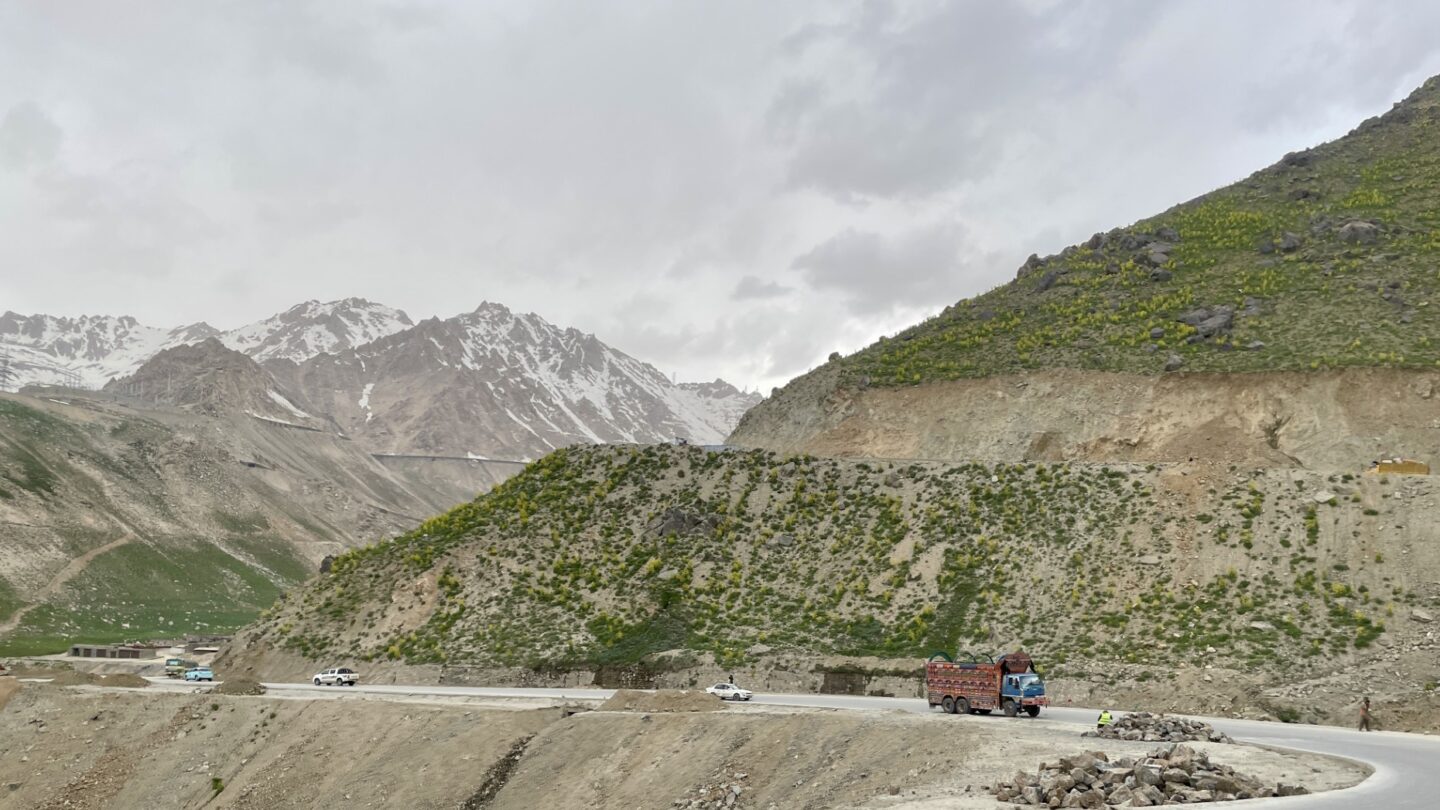
Once again, Afghanistan is absent from the negotiating table at the UN Climate Change Conference (COP). This is because the country’s government is not represented at the United Nations. In 2024, representatives of the Afghan General Environmental Protection Agency as guests without official status as delegates, following a direct invitation from the host country, Azerbaijan. Turkey extended a similar invitation this year, yet no Afghan government representatives are present at the conference. However, several representatives of Afghan civil society take part as observers.
– Afghan representation is essential to ensure that the country’s adaptation needs, climate risks and the realities faced by local communities are reflected in international climate decisions, says Shoaib Sadaat, climate activist and project manager at The Liaison Office, an Afghan NGO and partner of the Solidarity Committee.
– Political circumstances must not add to Afghanistan’s climate vulnerability. Policymakers must establish practical mechanisms to facilitate access to climate finance for Afghanistan and ensure that Afghan technical experts and activists can meaningfully participate in global climate processes.
Afghanistan’s per capita carbon footprint is among the lowest in the world, yet the country is one of the most vulnerable to climate change. Devastating floods and droughts are further undermining the livelihoods and food security of already vulnerable communities.
Despite the urgent need for adaptation measures, Afghanistan is largely excluded from international climate finance mechanisms under the United Nations Framework Convention on Climate Change (UNFCCC).
Need for climate adaptation
The Solidarity Committee believes that Afghanistan must be included in global climate cooperation. The following are three of our key recommendations, drawn from our policy brief, Left Behind: Afghanistan’s Exclusion from Global Climate Finance.
1. Invest in disaster risk reduction and climate adaptation. This will reduce the damage and human suffering caused by natural disasters and is significantly more cost-effective than focusing solely on responding to their aftermath.
2. Make climate finance accessible to a wider range of actors. NGOs, UN agencies and other international institutions should be able to access climate finance for work in Afghanistan, including funding from the Green Climate Fund, without having to channel funds through the authorities.
3. Ensure Afghan representation in international climate forums. A mechanism for technical representation should be established to enable Afghan authorities to participate in regional and international forums such as COP. Afghan civil society and academia must also be given opportunities to be represented.