Between Ambition and Reality: Lessons Learned From the Implementation of UNSCR 1325 in Afghanistan
Twenty-five years after the adoption of resolution 1325, the situation for women in Afghanistan raises questions. How can the sharp decline in women’s rights be explained, and what impact did two decades of efforts for gender equality and peace achieve? Read our policy brief on the lessons learned from implementing UNSCR 1325 in Afghanistan.
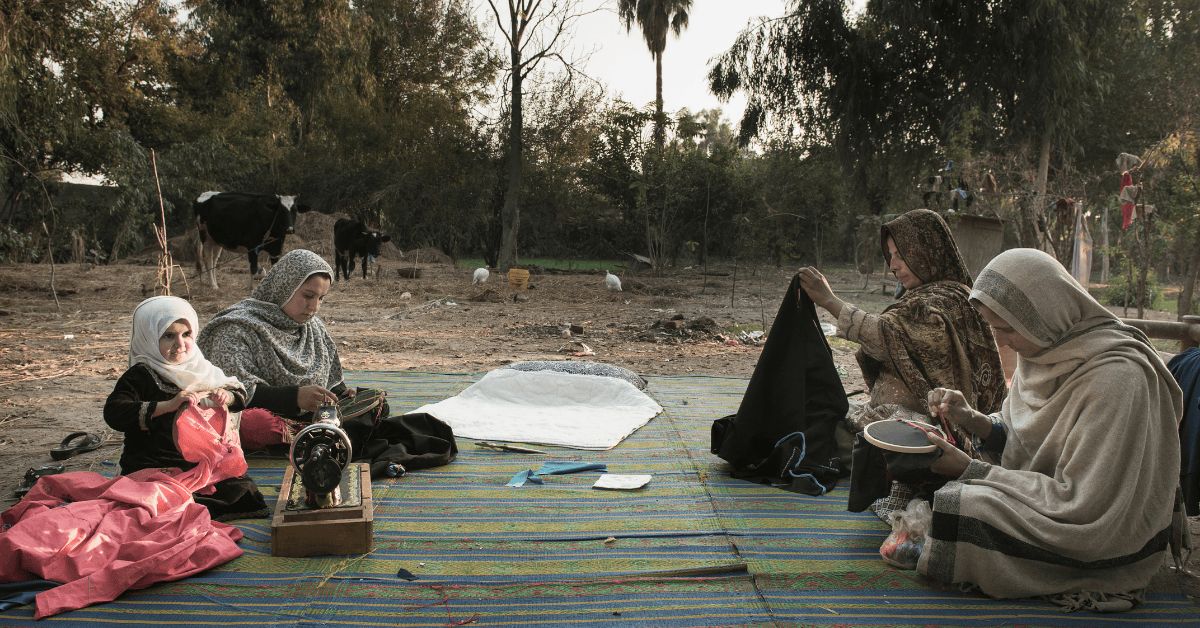
Today marks 25 years since the UN Security Council adopted resolution 1325: the women, peace and security agenda. For two decades, Afghanistan saw significant investment in promoting women, peace, and security efforts. Yet, following the Taliban’s return to power in 2021, conditions changed abruptly, and women’s rights and freedoms have since been severely restricted. In this policy brief, we examine what lessons can be learned from the implementation of resolution 1325 in Afghanistan.
Policy recommendations
- Women, peace, and security (WPS) initiatives should be embedded within social, cultural, and religious contexts, to prevent them from being perceived as external imposition. In the context of Afghanistan, the sustainability and resilience of reforms can be strengthened by linking rights to Islamic frameworks, engaging trusted community actors—including men and religious actors—in both rural and urban areas, and supporting the diverse ways in which women exercise agency.
- Guarantee women’s rights in inclusive political settlements. Symbolic quotas or isolated projects cannot replace genuine peacebuilding. International actors should ensure that women are truly included in meaningful political negotiations, reconciliation processes, and governance structures – not as token representatives but as active decision-makers. Without inclusive settlements, rights will remain fragile.
- Prioritise sustainability over short-term visibility. Investments should focus on initiatives that combine immediate needs with long-term social change, led by Afghan women themselves. This requires moving beyond counting women and large-scale targets towards measuring changes in agency, participation, trust and security, and include efforts that prioritise grassroots engagement by working with existing structures and forms for participation that still enjoy relative acceptance.
Four years after the Taliban takeover, women’s and girls’ right to secondary and higher education, employment, and public participation continue to be systematically denied in Afghanistan. Female victims of violence are often charged with moral crimes, and women’s movements in public spaces are severely restricted. Set against two decades of international investment in women, peace and security (WPS) efforts under United Nations Security Council Resolution (UNSCR) 13253, this reversal raises difficult questions: What lasting change was achieved within Afghan society? How can the rapid regression of women’s rights be understood?
At the same time, the international community is pulling back—reducing humanitarian and development assistance and limiting engagement with the Islamic Emirate of Afghanistan (IEA) authorities—which exacerbates the vulnerability of already marginalised groups, especially women and girls, who face increasing restrictions. This moment demands reflection not only on lessons for future action, but also on which actors will remain committed to promoting the women, peace, and security agenda in Afghanistan.
Read the policy brief
Read the full policy brief Between Ambition and Reality: Lessons Learned From the Implementation of UNSCR 1325 in Afghanistan (pdf):