Migration and Mobility in Afghanistan
How can we better understand today’s migration patterns in Afghanistan? What is needed to enable safe and orderly conditions for migrants within and across Afghanistan’s borders? Read our latest policy brief on migration and human mobility in Afghanistan.
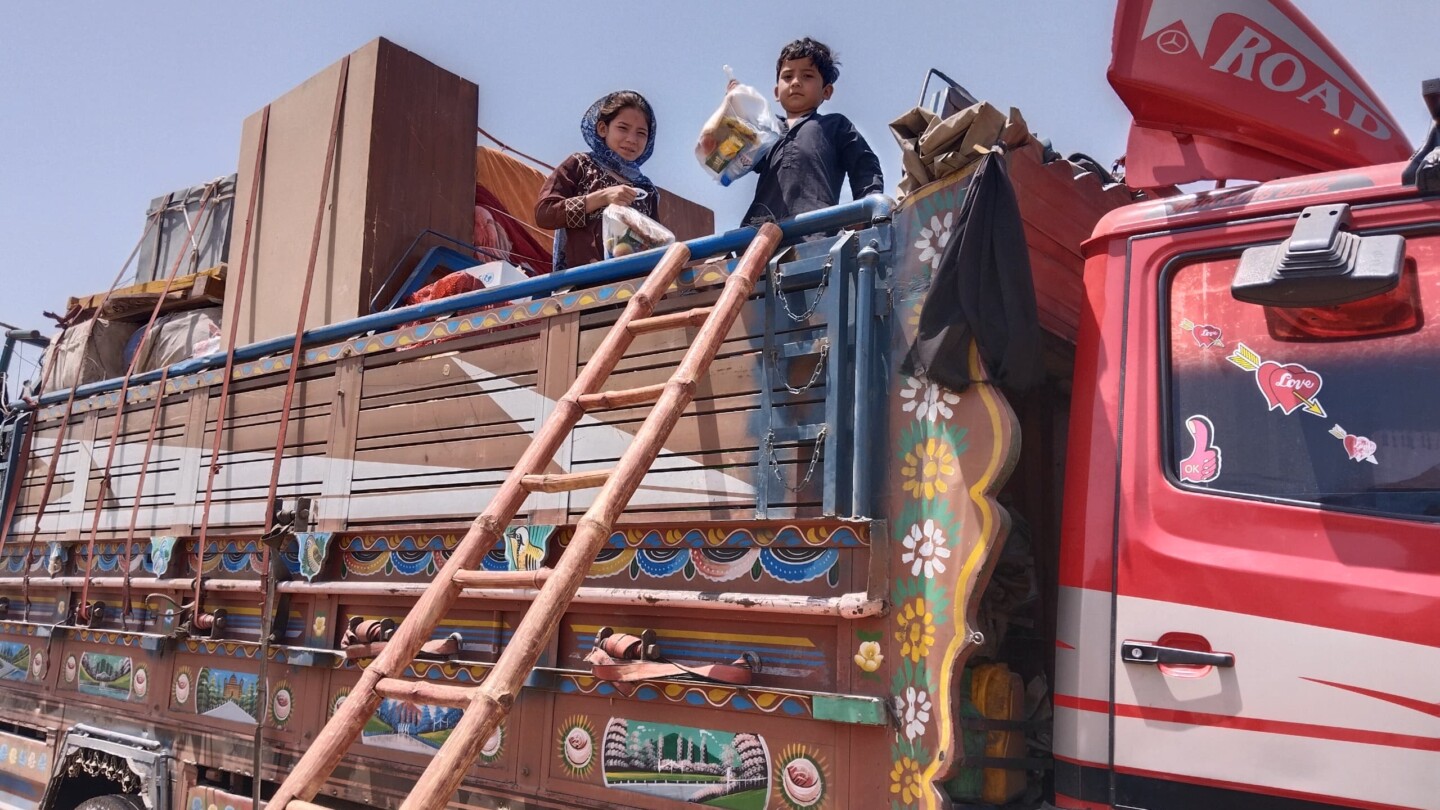
Human mobility has played a significant role in Afghan society over centuries. Seasonal and long-term movements, within and across Afghanistan’s borders, have constituted integral livelihood strategies of individuals and households. Migration is of such significance to Afghanistan that, before the return of the Taliban in 2021, the inclusion of managed migration was discussed as part of a development strategy for the young nation with its limited employment opportunities.
In 1979, forced displacement triggered by the Soviet invasion led to one of the world’s most protracted refugee crises. Today, we are witnessing the expulsion of millions of Afghans from Iran and Pakistan. In addition, Afghanistan is experiencing a dramatic increase in internal displacement due to extreme weather events.
This policy brief provides an understanding of the significant role of mobility to the life of Afghans, in order to enable their safe, orderly and regular migration while reducing risks and vulnerabilities. More specifically, it seeks to:
- Present the background to voluntary and forced migration;
- Identify current migration trends and their outcomes;
- Offer conclusions and recommendations for policy and action to meet needs related to forced migration and a durable migration regime.
Policy recommendations
- Recognising the complex migration patterns and adaptation strategies that surround mobility in Afghanistan, the international community, national authorities and civil society need to adopt a holistic, regional approach that accounts for both voluntary and forced movements. Organisations that play a key role in supporting protection and durable solutions to Afghans across borders require long-term support.
- Policies addressing Afghan migration should reaffffirm the rights-based principles of safe, orderly, and regular movement, while minimising risks and vulnerabilities, in line with the 2018 Global Compact on Refugees and Migration.
- In Afghanistan, millions of forcibly repatriated returnees and internally displaced face precarious livelihoods and threats to human security. In order to solve these challenges Afghanistan needs long-term, area-based support, alongside investments in climate adaptation and access to international climate finance. The international community must mobilise resources and enable mechanisms to meet these urgent needs.
Read the policy brief
Read the full analysis Migration and Mobility in Afghanistan (pdf):