Finding glimmers of hope in Kabul
Cajsa Wikström, Policy Advisor at Solidarity Committee, reflects on how the women she meets in Afghanistan are navigating and challenging the restrictions imposed on them.
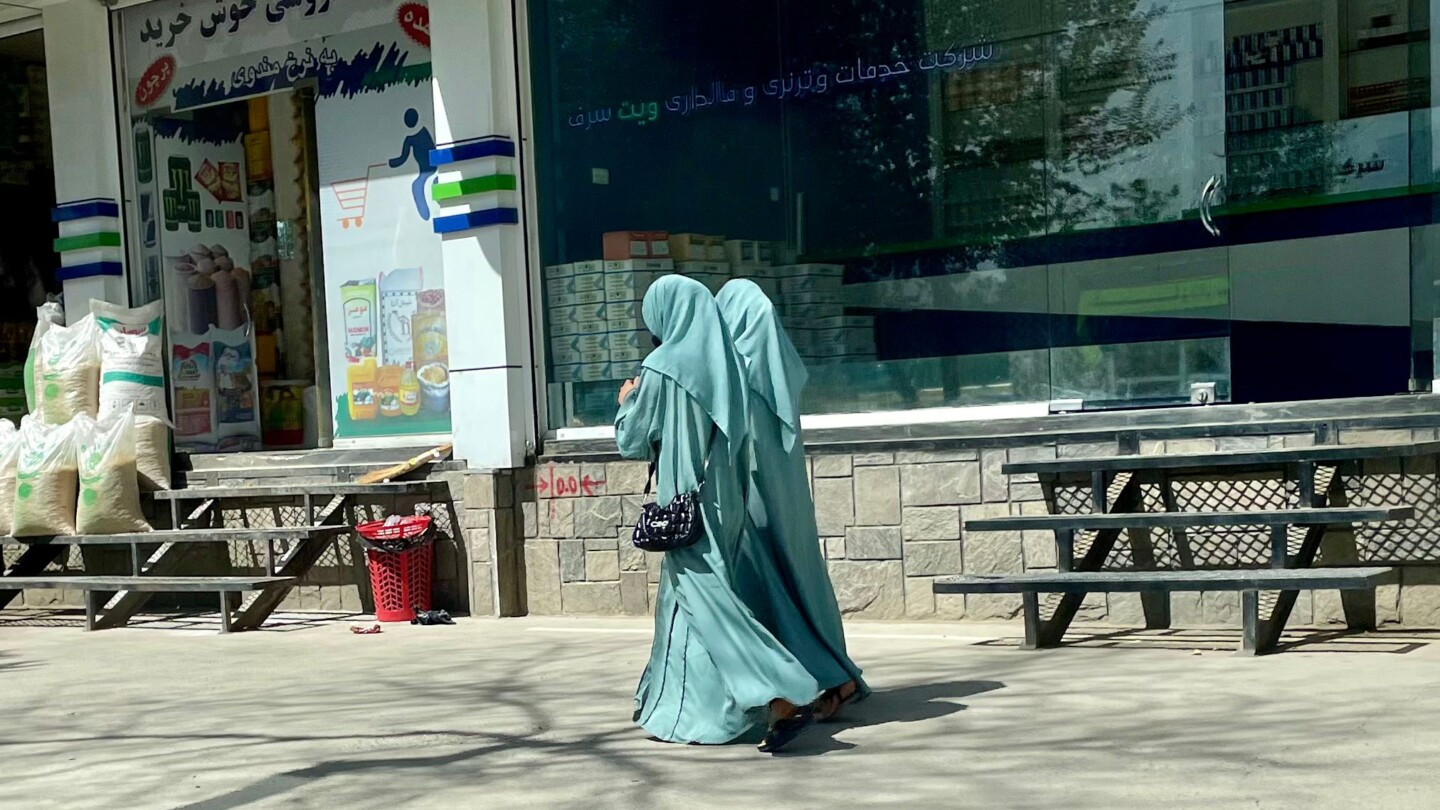
I recently came back from Afghanistan, and people ask me, “So how was it there?” That’s a broad question for any country. I was there for a short time and mostly in Kabul. But I’ll still share some thoughts, based on the stories of the people I met.
The absence of armed attacks is a huge relief, everyone agrees on that. But, there’s a different sense of insecurity, of not knowing which of the many decrees restricting personal freedoms will actually be implemented, and how. “Every Taliban patrol is a different government,” someone told me. Several women I met were concerned about recent reports of girls being arrested for “bad hijab”, for not covering themselves enough, or looking too stylish.
Still, women do what they can to carve out space for themselves. Some stopped wearing bright colours as a precautionary measure. But they didn’t change their thinking and their aspirations. They still go to work – if they’re fortunate to have one. Unemployment is high, especially among women. Certain professions are off-limits and some employers find it risky, or too logistically challenging, to hire them. But new jobs are created. Some women run businesses online and at home instead of through shops and offices. Girls still want to learn and they grab all opportunities available, be it private institutes, online, or madrassas. And they teach each other. The teenage girls I wrote about here are now teaching tens of younger girls in their house.
Daring to challenge restrictions
One Friday afternoon I met a former colleague and her dentist sister in a café. They’d been considering whether to come or not because their brother was travelling and couldn’t drop them off. What would happen if they took a taxi and it was stopped, they wondered anxiously. But their father encouraged them to go, to not let the restrictions stop them from living their lives the way they want to. So they came in their colourful dresses and nothing happened on the way.
It’s absolutely horrendous that two adult women risk being questioned or potentially even detained for travelling without a male chaperon. It’s truly unjust that women cannot get formal education above grade 6 and choose the profession they want. But we can try to find the glimmers of hope that still exist, and build on them.
The fact that the sisters decided to go out on their own and that their father supported them gives me hope. That the more women challenge the rules, the weaker the implementation will get. And the alternative learning opportunities that are created can be places for women to build knowledge and resilience. It’s not even nearly good enough, but it’s something.
There are a lot of dark stories too. I met a woman who had been jailed on false accusations of “immoral crimes”. Health professionals speak about a rise in suicides. But if we just tell those stories, what good will it do? Change is not quick. But I believe it’s possible. And we should do what we can to support it.